
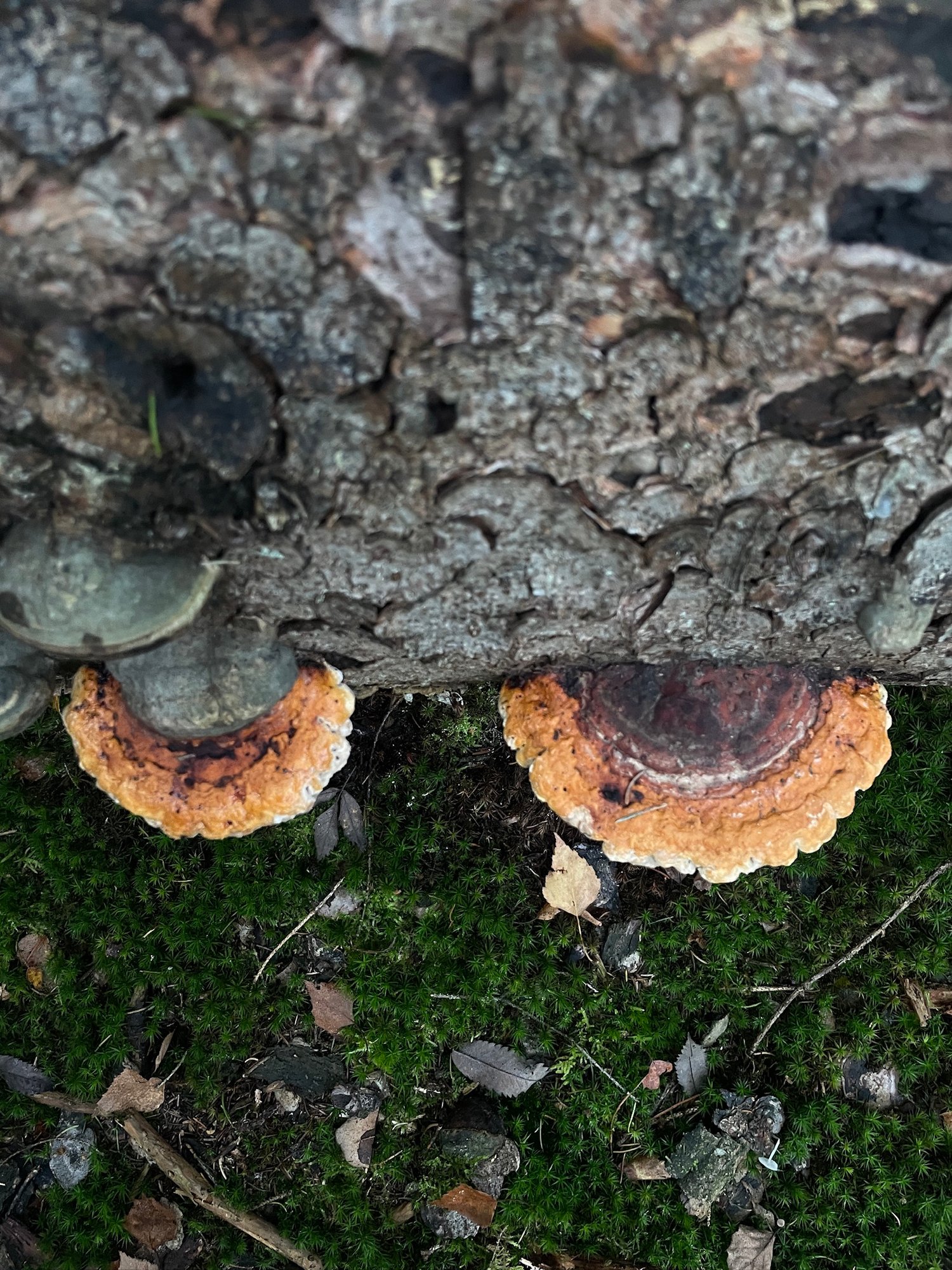
Reishi is a mushroom that grows on old tree stumps and looks like it's been varnished. You can't eat it. People have boiled it into a bitter tea for about two thousand years, and told a lot of stories about it along the way. A mushroom you can't eat...
Read More
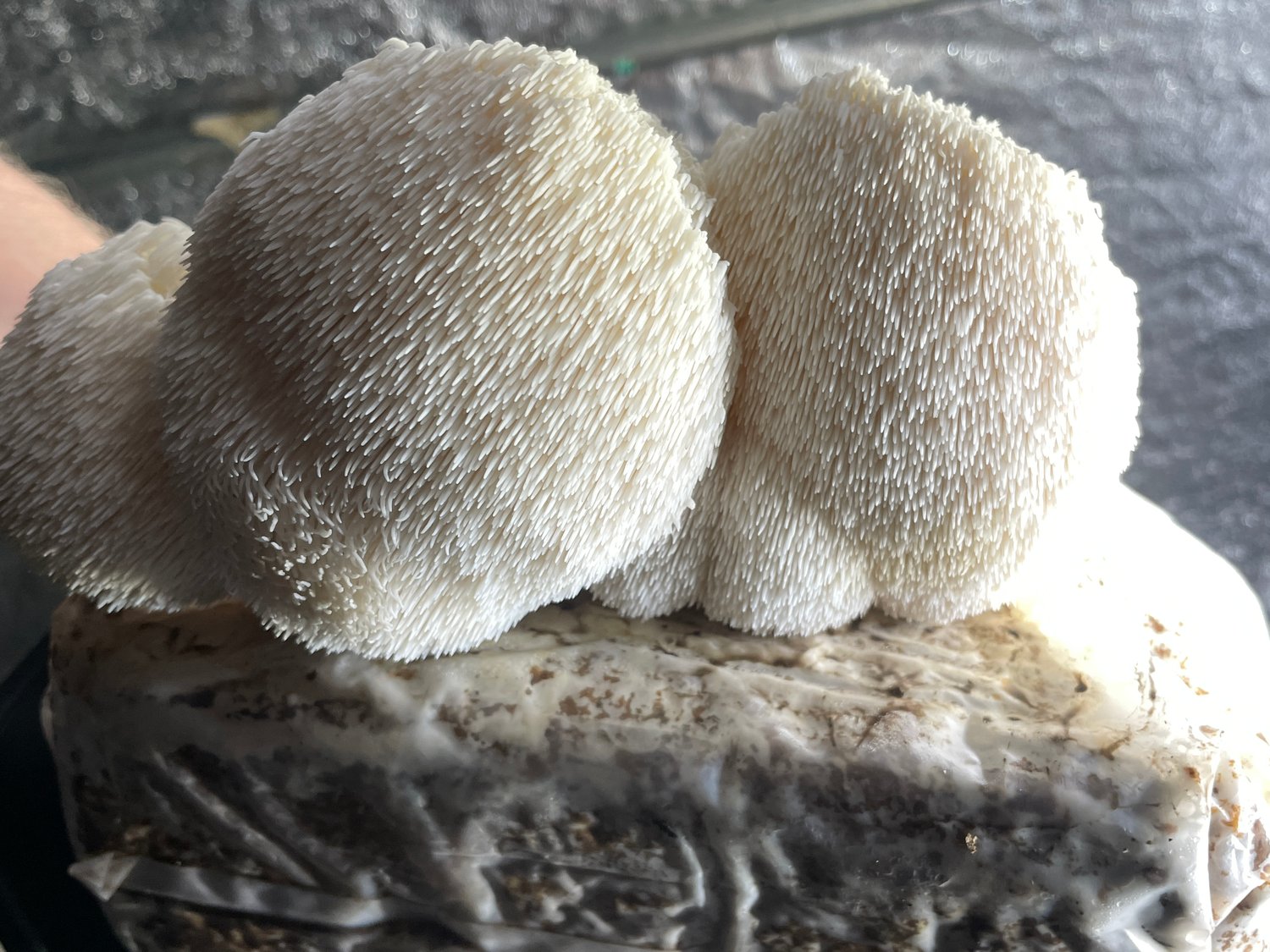
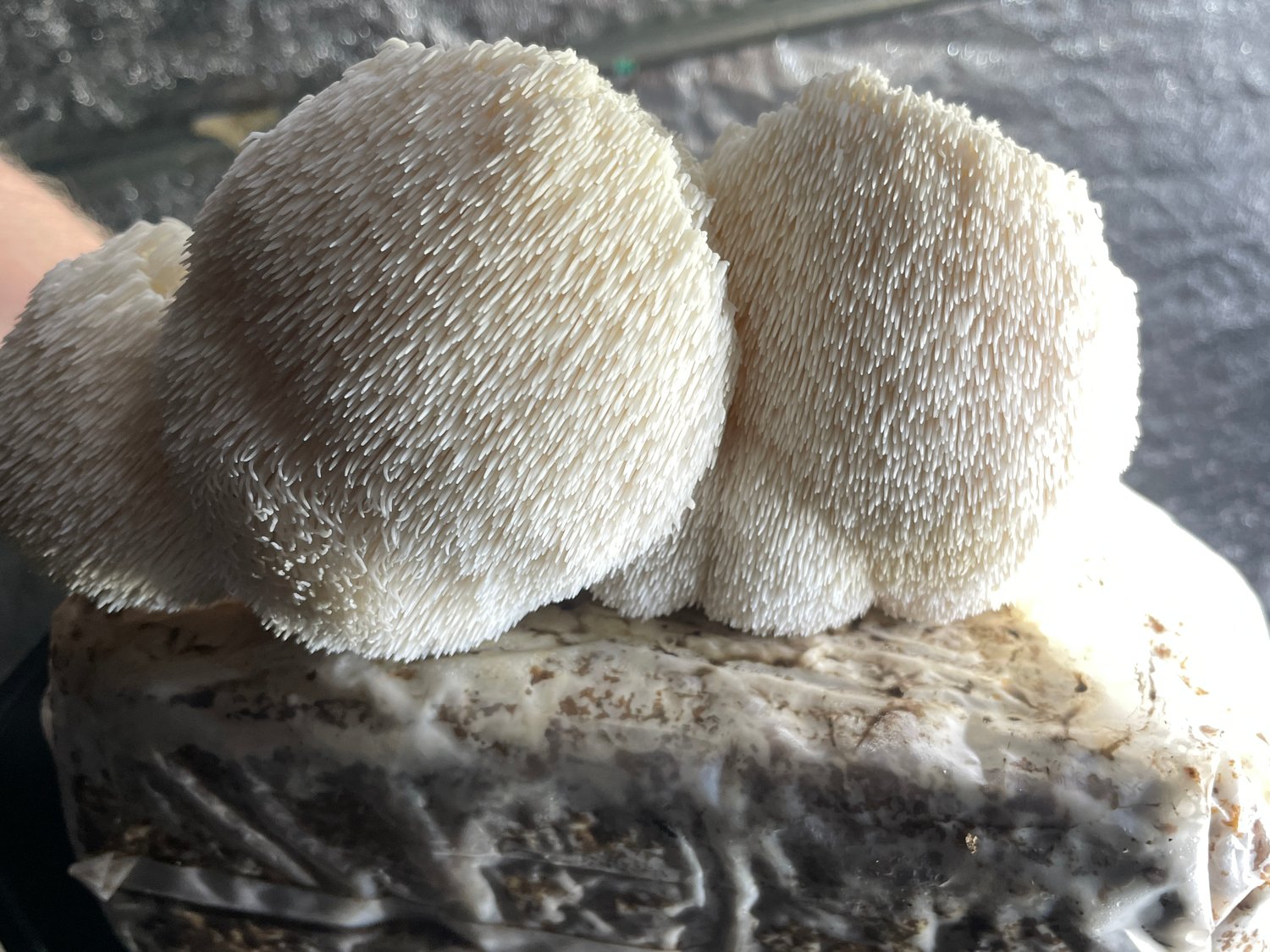
Who is she? Lion's mane looks like a frozen waterfall, or a pale pom-pom stuck to the side of a dead beech tree. It’s one of the very few medicinal mushrooms you can actually fry in butter and eat for dinner, but you probably clicked here because a ...
Read More
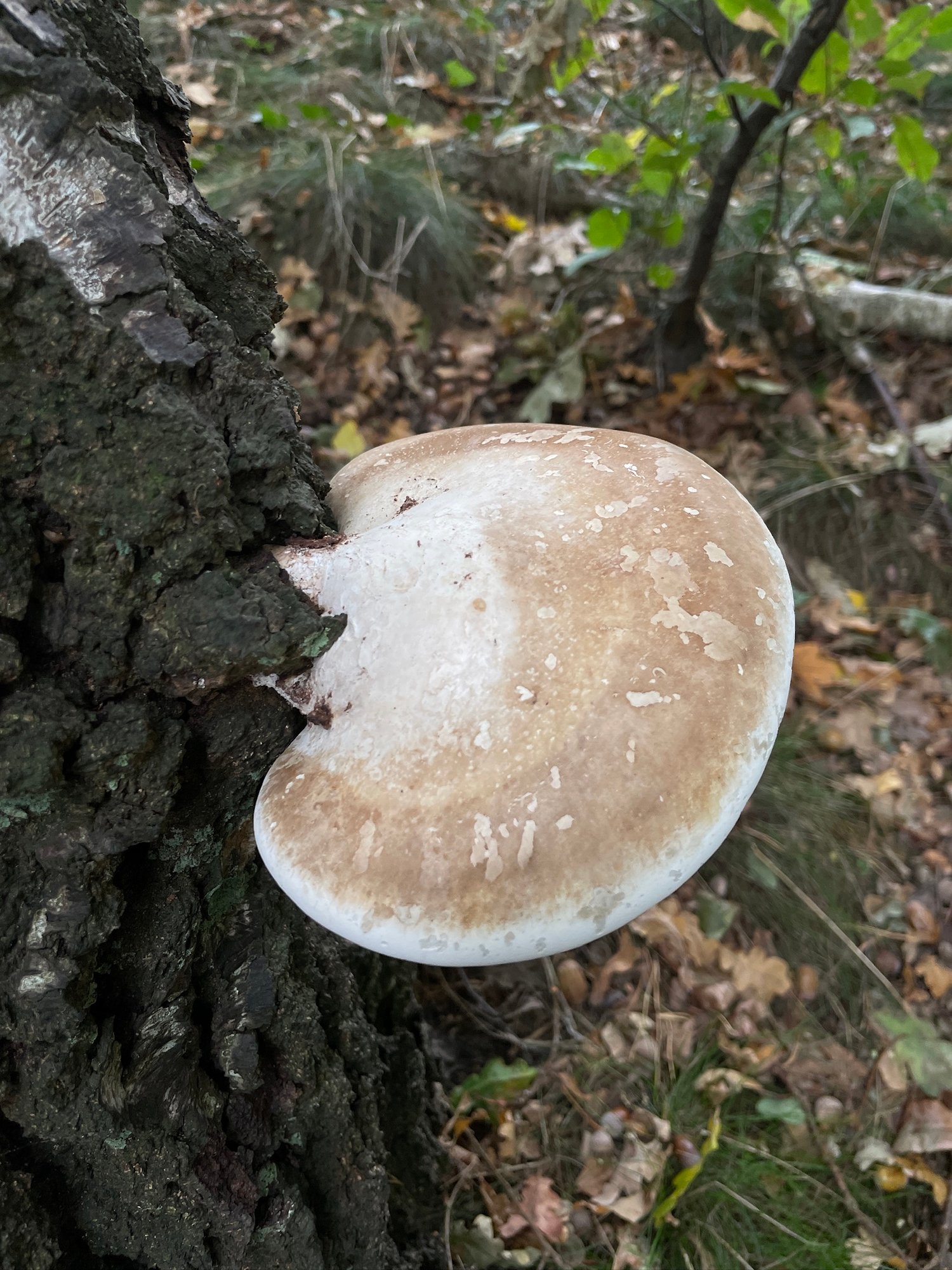
Birch polypore looks like a pale, leathery desk cushion growing out of a dying birch tree. You cannot eat it, it tastes like cork soaked in tonic water, and no influencer on TikTok will ever tell you it gives you a glowing tan or unlocks 100% of you...
Read More

Lion's mane, pruikzwam in Dutch, is a white mushroom covered in long, soft spines. It looks like a pom-pom someone left on a tree. We grow it ourselves in Antwerp and turn it into MORNING. This is what happens between the grow room and your cof...
Read More
Draai een potje paddenstoelenpoeder om. Staat er "mycelium" of "myceliated grain" op? Dan koop je vooral graan. Dat klinkt hard. Het is ook een van de grootste open geheimen in paddenstoelensupplementen. Zo is het zo gekomen, dit lie...
Read More

Turn a jar of mushroom powder around. Does it say "mycelium" or "myceliated grain"? Then you're mostly buying grain. That sounds harsh. It's also one of the biggest open secrets in mushroom supplements. Here's how it happened, what the lab tests sho...
Read More

Bij lion's mane staat online bijna altijd "onderzoek toont aan". Maar welk onderzoek, bij wie, met welk spul? Hier nemen we de vijf studies die het vaakst geciteerd worden en lezen we ze zoals een onderzoeker dat doet. Langzaam, met een potlood. Nie...
Read More

Online, lion's mane almost always comes with "research shows". But which research, on whom, with what? Here we take the five studies that get quoted most and read them the way a researcher would. Slowly, with a pencil. Not to tell you what to believ...
Read More
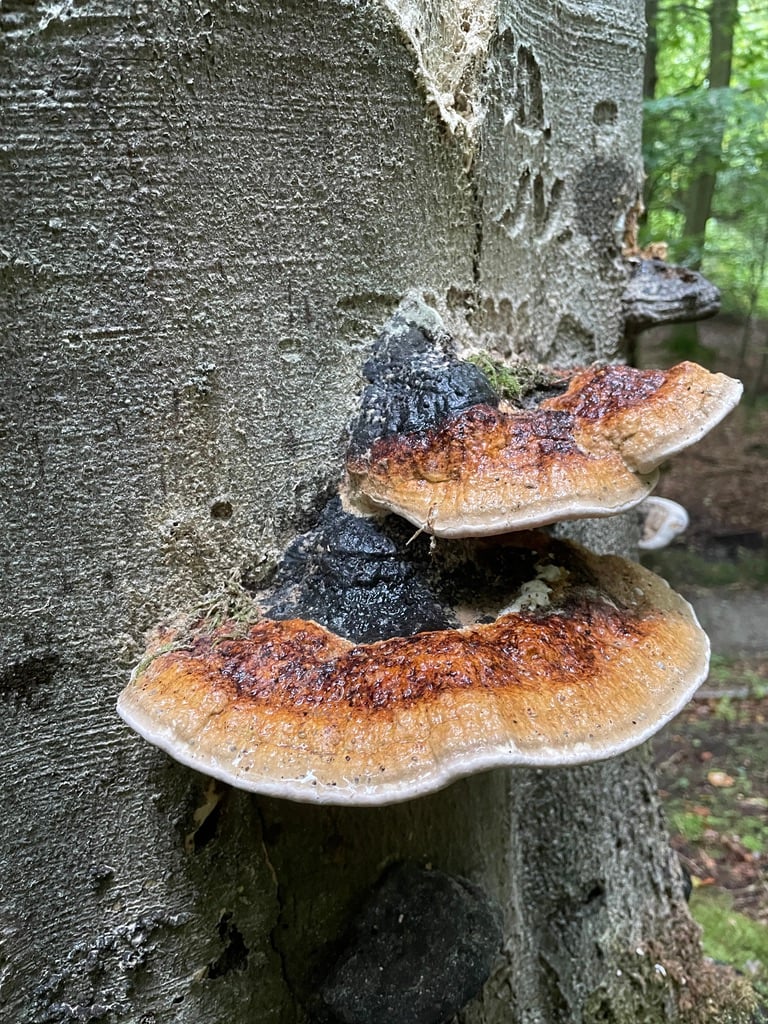
In China heet hij lingzhi, in Japan reishi, in Nederland gesteelde lakzwam. Hij ziet eruit alsof iemand hem gevernist heeft: roodbruin, glimmend, hard als hout. Eten doe je hem niet. Mensen koken hem al zo'n tweeduizend jaar tot een bittere the...
Read More
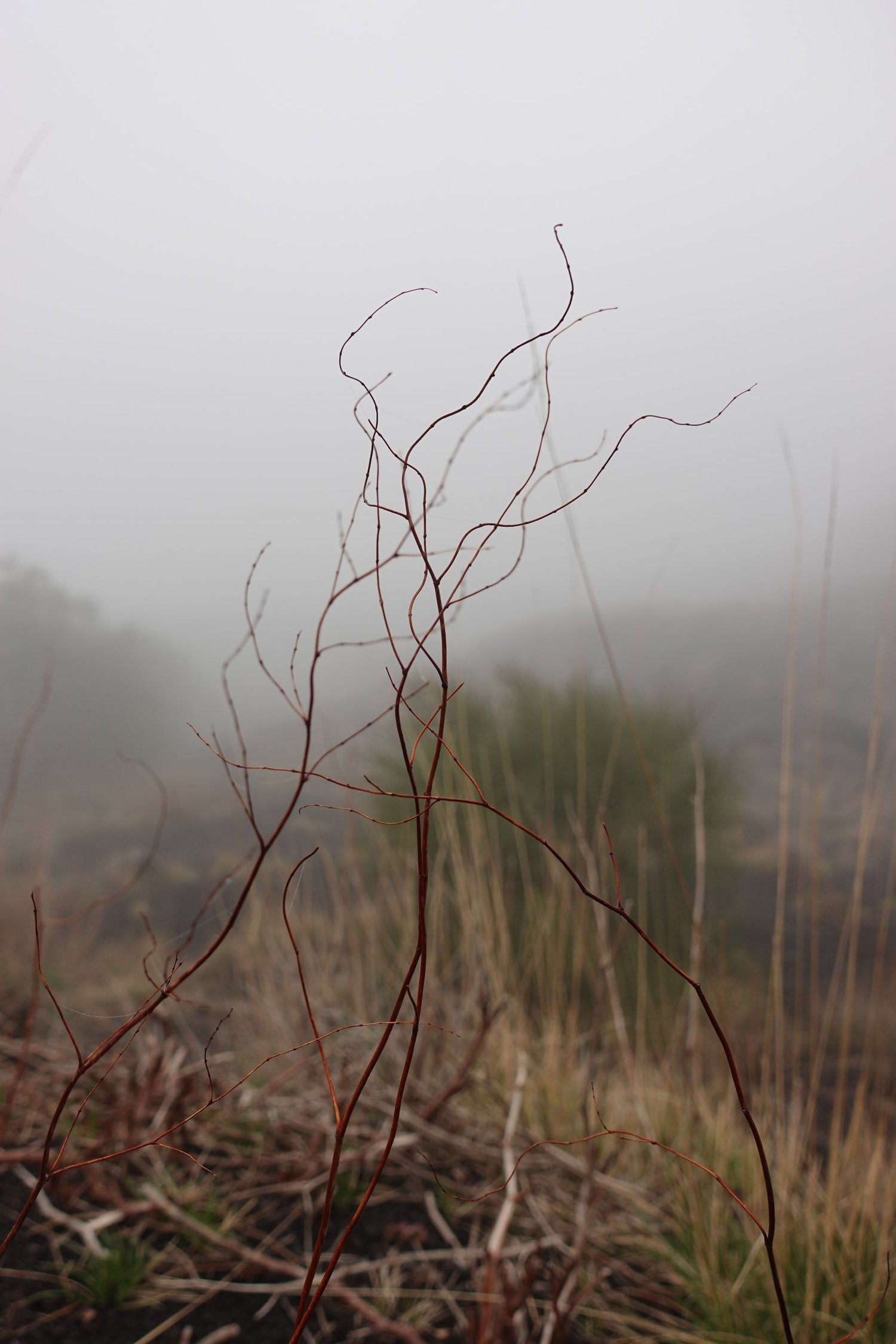
Berkenzwam heeft in het Engels een bijnaam: razor strop fungus. Kappers en barbiers sneden er repen van om hun scheermes op aan te zetten. Het vlees is fijn, stevig en een beetje veerkrachtig, net als leer. Eten doe je hem niet. Maar je kunt er je s...
Read More

Kijk naar een Chinese ruyi, de sierlijke scepter die je in musea ziet. De kop heeft vaak de vorm van een wolk, of van een lingzhi: een ronde, golvende hoed op een gebogen steel. Het Tokyo National Museum heeft er een uit de 18e eeuw, gesneden uit bl...
Read More

Look at a Chinese ruyi, the ornate sceptre you see in museums. The head is often shaped like a cloud, or like a lingzhi: a round, wavy cap on a curved stem. The Tokyo National Museum has one from the 18th century, carved from blue jade, the whole sc...
Read More
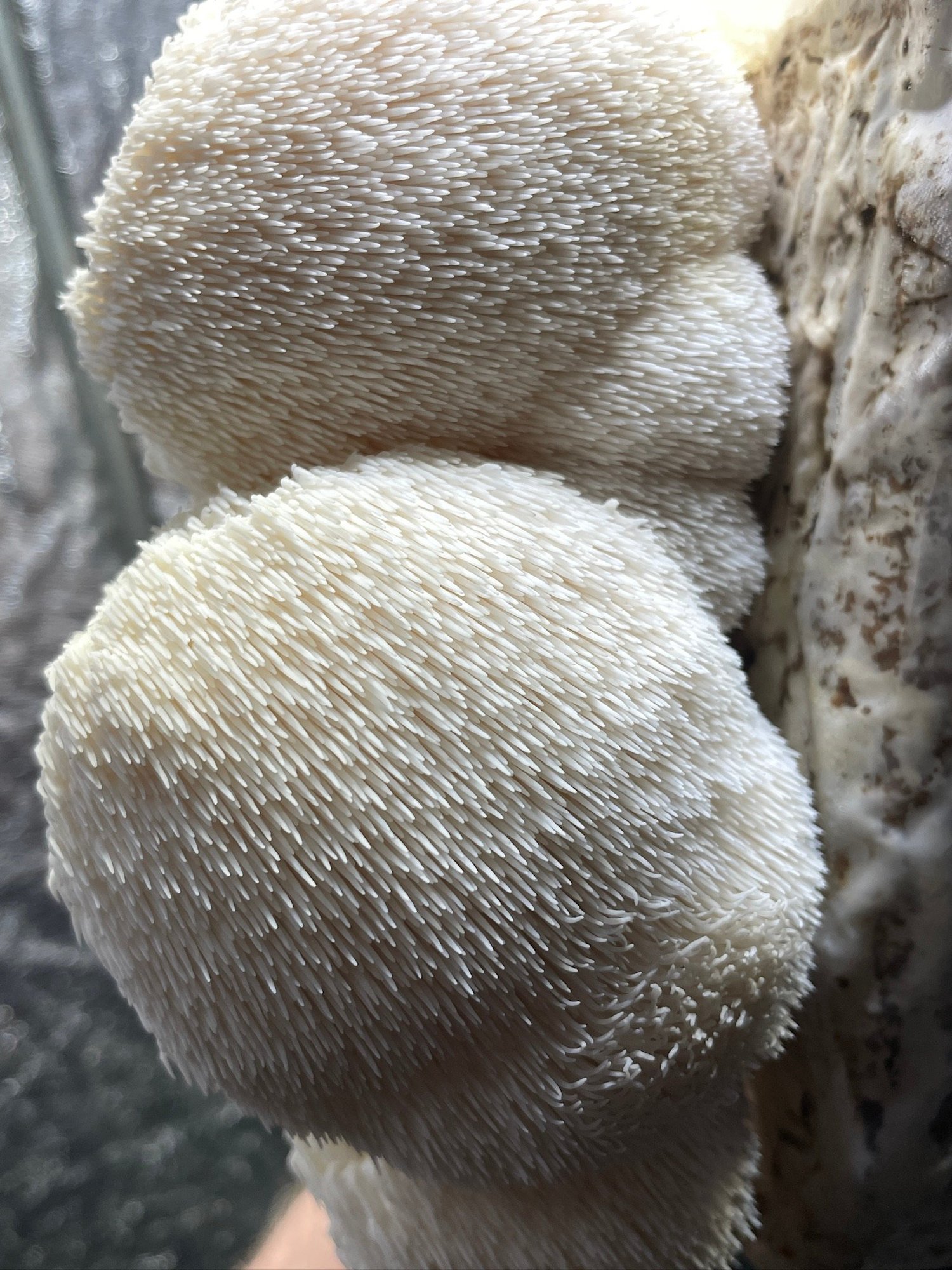
De meeste lion's mane die je in Antwerpen vindt, heeft dit jaar meer gereisd dan jij. De onze groeit een tramrit verderop, in het Poepkezwam-lab in Antwerpen-Noord, en vertrekt als MORNING: een vloeibaar extract dat we van begin tot eind zelf maken....
Read More
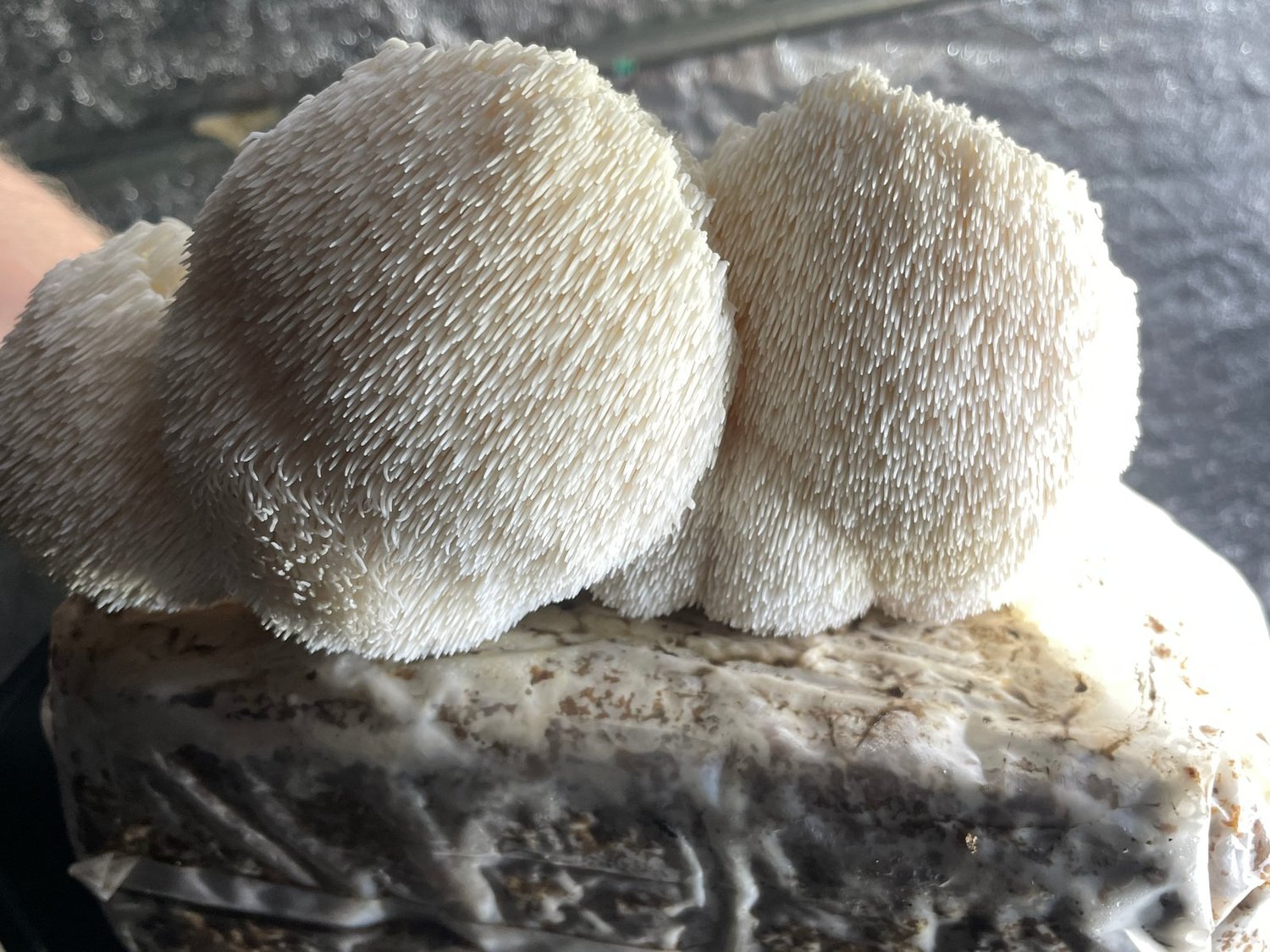
Op zoek naar lion's mane in Amsterdam? Je vindt hem vers bij een paar kwekers, als capsule of poeder bij de drogist en de natuurwinkel, en als MORNING: een vloeibaar extract dat we zelf kweken en maken, binnen 2 tot 8 werkdagen bij je op de mat. Ver...
Read More
Looking for lion's mane in Amsterdam? You'll find it fresh at a few growers, as capsules and powder in health shops, and as MORNING: a liquid extract we grow and make ourselves, posted to your door in 2 to 8 working days. Fresh, powder or extract? F...
Read More